Planning a Reliable HVAC Path From First Estimate to Final Tune-Up
Homeowners and facilities teams both benefit from a structured approach to heating and cooling. Start by scoping current comfort issues, energy use, and room-by-room airflow. Measure return and supply locations, window exposures, and insulation levels to understand load drivers. This baseline lets you align project goals—comfort, efficiency, noise—before discussing equipment types. Documenting conditions early reduces rework later and helps right-size solutions for long-term reliability and manageable operating costs.
Initially, assess the building envelope, because ducts and equipment can only perform as well as the surrounding structure allows. Air sealing, shading, and attic insulation often buffer temperature swings that strain systems. Verifying these fundamentals first can refine capacity estimates and may even allow a smaller, quieter unit. Meanwhile, discuss electrical panel capacity and condensate routing so installers can plan clean, code-compliant pathways and avoid last-minute changes.
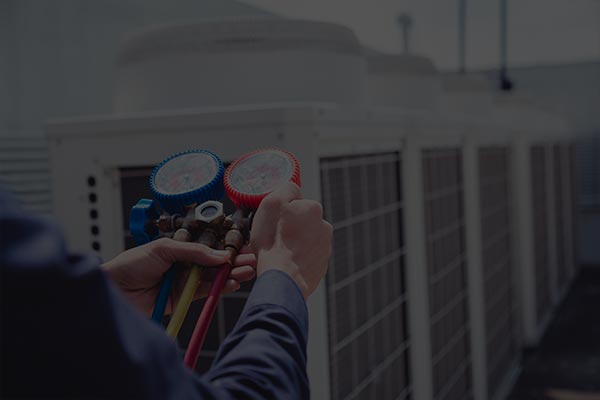
Next, visualize the full workflow from estimate to handoff. Sequence tasks in logical phases: load calculations, equipment selection, placement review, and installation staging. Then schedule inspections and commissioning steps with enough time to validate airflow and refrigerant charge. This phased approach keeps trades aligned, minimizes downtime, and ensures the final system meets performance targets. In practice, tight sequencing prevents rushed startup that might mask subtle performance gaps.
Beyond that, choose equipment categories based on space constraints and control preferences. Traditional split systems remain common, while a ductless mini split can solve comfort in additions or rooms without viable duct runs. Heat pumps offer efficient heating and cooling in one platform when matched to your climate and envelope. Compare noise ratings, filter accessibility, and service clearance to preserve future maintainability and safe technician access.
Often, air distribution makes or breaks comfort. Inspect duct sizing, layout, and leakage using static pressure readings and visual checks. Undersized returns or long flex runs can throttle airflow even with a premium unit. Refining duct transitions, sealing joints, and balancing dampers can restore delivery to distant rooms. Finally, confirm supply registers are aimed to mix air well, especially near large windows that can create stratification and drafts.
However, controls strategy deserves equal attention. Smart thermostats are helpful only when properly staged with heat sources and fan profiles. Calibrate setpoints, setbacks, and sensor locations to avoid short cycling. Validate wiring, heat pump lockout settings, and auxiliary heat triggers so seasonal shifts don’t spike energy bills. Document control logic for future service calls; clear records shorten diagnostics and keep comfort consistent across rooms and zones.
Meanwhile, think through indoor air quality as an integrated layer rather than an add-on. Filtration, humidity management, and ventilation should be sized and placed to complement the main system. For example, dehumidification capacity must align with airflow and coil temperature, while fresh air needs filtration and tempering. When lifestyles change—pets, home offices, or workshops—revisit these choices. Indoor Air Quality Services can evolve alongside the core system without major disruption.
Then, budget with lifecycle in mind, not just upfront equipment. Include maintenance intervals, filter schedules, and potential accessory replacements. Heating Installation and Repair and AC Installation and Repair expenses vary with accessibility and part availability, so plan contingencies. A modest buffer for duct repairs, pads, line sets, and electrical upgrades avoids delays. Transparent scope documents help compare proposals apples-to-apples and keep expectations steady through the project.
In practice, seasonal timing matters. Spring and fall shoulder periods may offer more installation flexibility and milder commissioning conditions. Cold starts and heat waves can mask issues during quick tests; a planned follow-up visit after the first extreme weather event lets technicians fine-tune airflow and refrigerant. Validate drain performance during humid spells and inspect insulation on linesets to prevent sweating that could damage finishes.
Finally, set a maintenance playbook from day one. Record model numbers, filter sizes, breaker labels, and access points. Schedule periodic inspections to verify static pressure, temperature split, and electrical connections. Maintain clean outdoor clearances, and keep indoor closets free of storage that blocks service panels. When systems age or needs shift, consider Heat Pump Installation or targeted upgrades that extend useful life while preserving comfort and efficiency across seasons.